
Healthcare Providers IT Solutions
Technology That Keeps Healthcare Running in Your Community
HIPAA-compliant IT infrastructure for healthcare providers with EHR support, rapid response times, cybersecurity, and remote clinic support across Alaska and Hawaii.
How Vicinity Supports Healthcare Providers
We handle the networks, servers, security, backups, and all the technology that sits underneath your healthcare systems, so your team can focus on patients instead of troubleshooting tech.
Tap any area below to see how we support you.
Our Solutions for Healthcare Providers
Technology services designed for healthcare practices that can't afford downtime and must maintain HIPAA compliance.

Managed IT Services
Proactive monitoring, maintenance, and support keeping your healthcare infrastructure running so your team can focus on patient care.

HIPAA Compliance & Security
Risk analyses, BAAs, email encryption, audit logging, and breach response planning for practices without dedicated Security Officers.

Advanced Cybersecurity
Multi-layered security protecting ePHI and practice systems from ransomware, breaches, and the costly attacks targeting healthcare.

Business Continuity & DR
True disaster recovery ensuring patient care continues even when systems fail. Full restoration in minutes, not days.
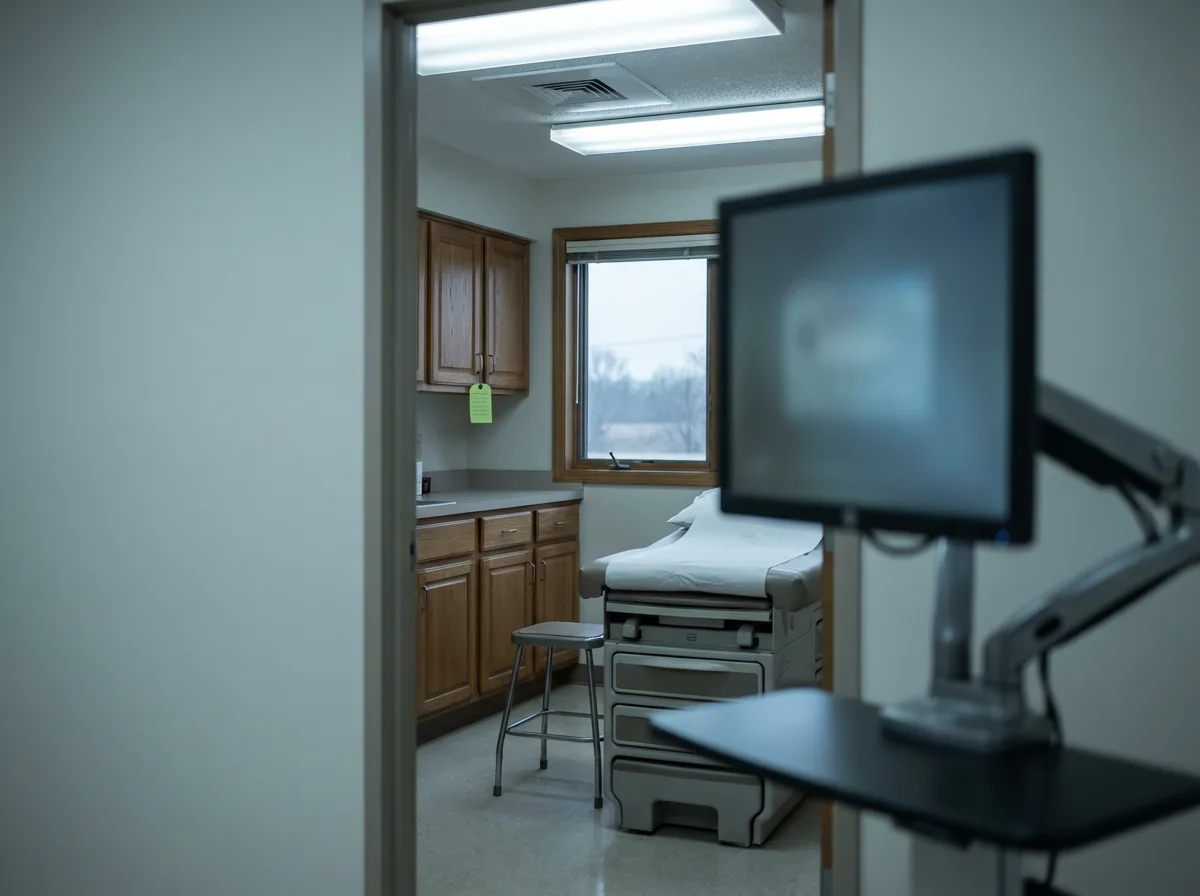
The Technology Challenges Healthcare Providers Face
When the PACS system goes down in Fort Yukon and elders have to fly to Fairbanks just to get an X-ray read, that's not just downtime. That's disrupted care, worse outcomes, and families bearing costs that shouldn't exist.

Critical Systems Can't Go Down
When your EHR goes offline, appointments back up. When the network slows, check-ins take twice as long. When your pharmacy system can't talk to your automated dispensing system, medications get delayed. IT problems directly impact how well you can care for patients.
HIPAA Compliance Isn't Optional
Most small practices assume their email is HIPAA-compliant because they're using Microsoft 365 or Google Workspace. But these platforms don't encrypt email by default the way HIPAA requires. One unencrypted email with patient information means breach notification requirements, OCR investigations, and practice-threatening fines.

Downtime Means Delayed Patient Care
Healthcare can't wait for callbacks or next-day service. When systems go down, patients wait longer, staff can't do their jobs, and care gets disrupted. Response times need to be measured in minutes, not hours or days.

Remote Healthcare Has Unique IT Challenges
Getting IT support to a clinic in Beaver or Fort Yukon isn't the same as driving across town. Flight schedules, weather delays, what you can and can't ship overnight, and how to troubleshoot remotely when on-site isn't an option today.

IT Budget Competes with Patient Care
Every dollar you spend on technology is a dollar that's not going toward staff, equipment, or care. Reimbursements keep dropping. Insurance pays less every year. You're already stretched thin, and IT costs keep climbing.
What Healthcare Providers Say
It's the best decision this administration has made, to use Vicinity.
This Isn't Just Business for Us; It's Community
When you call, you're talking to people who live in Anchorage, Juneau, Fairbanks, Honolulu. Our kids go to the same schools. We see you at the grocery store. When we keep your clinic running, we're keeping healthcare available for our neighbors, our families, our communities.
Local to Alaska and Hawaii
We're not a national MSP with a call center somewhere else. We're local, and we want to stay that way. That means keeping IT dollars in Alaska and Hawaii, hiring locally, and building relationships that last, because we're not going anywhere. This is home.

Healthcare Infrastructure Experience
We've supported clinics, urgent care facilities, tribal health organizations, and family medicine practices across Alaska and Hawaii. One of our long-standing partners is the Council of Athabascan Tribal Governments, who operate the Yukon Flats Health Center, a critical access facility serving remote communities.
HIPAA Compliance Expertise
We work with practices that can't afford a dedicated Security Officer. Compliance responsibilities usually fall on someone already managing three other jobs. That's why we handle the technical side and help you document what matters.
Healthcare-Appropriate Response Times
We understand that healthcare can't wait. When you call, 70% of the time you'll reach a real person in 1 minute or less. We provide after-hours emergency support for 24/7 clinics and monitor around the clock to catch problems before they impact patient care.

Experience with Remote and Rural Healthcare
We've worked with clinics serving Alaska Native communities, island practices in Hawaii, and rural health centers where the nearest tech is a plane ride away. We understand the logistics, the constraints, and how to make IT work in these environments.
Community Commitment
Healthcare is infrastructure. It's as essential as schools, roads, and electricity. When it fails, communities suffer. We've seen it. And we've committed to making sure the technology supporting healthcare in underserved areas works the way it should.
Common Questions from Healthcare Providers
We handle the technical implementation: properly configured email encryption, audit logging, network security, access controls, and backup systems that meet HIPAA standards. We conduct HIPAA Risk Analyses to identify real gaps in your practice, help you establish Business Associate Agreements with all vendors touching ePHI (including us), and provide breach response planning. We also help you document what matters for compliance purposes. We’re not replacing your Security Officer role, but we’re handling the technical heavy lifting that most small practices struggle with.
It depends on how it’s configured. Microsoft 365 and Google Workspace can be HIPAA-compliant, but they don’t encrypt email by default the way HIPAA requires for ePHI. You need specific configurations, and those configurations can fail when recipients use different email systems or settings change. One unencrypted email containing patient information triggers breach notification requirements. We implement and maintain email encryption that works consistently, and we can show you exactly how it’s configured and monitored.
When you call, 70% of the time you’ll reach a real person in 1 minute or less who can immediately begin diagnosing the problem and getting you back online. For 24/7 clinics or critical access facilities, we provide after-hours emergency support. Our business continuity solution can also restore your entire server and applications as running systems in as little as 6 seconds using local instant virtualization, or within minutes using cloud disaster recovery. This means patient care can continue even during major system failures.
Yes. We’ve supported clinics in Beaver, Fort Yukon, and other remote Alaska Native communities, as well as island practices in Hawaii. We understand the logistics: flight schedules, weather delays, what can and can’t be shipped overnight. We’re experienced in remote troubleshooting and can often resolve issues without being on-site. When on-site support is needed, we work within the constraints of your location and understand that “just send someone over” isn’t always simple.
Yes. One of our long-standing partners is the Council of Athabascan Tribal Governments, who operate the Yukon Flats Health Center, a critical access facility serving remote communities in Alaska. We’ve also worked with clinics, urgent care facilities, and family medicine practices across Alaska and Hawaii. If you’d like to talk to someone who’s worked with us, we’re happy to connect you with a reference.
It depends on your practice size, systems, and needs. We understand that every dollar you spend on IT is a dollar not going toward patient care, and that reimbursements keep dropping while costs climb. We focus on giving you what actually matters: Managed IT that prevents expensive emergencies, cybersecurity that protects you from costly ransomware and data breaches, and business continuity so a server failure doesn’t shut you down for days. We can also work on specific projects without requiring an ongoing contract. Let’s talk about your situation, and we’ll show you what makes sense.
We’re not trying to be your EHR experts. Your EHR vendor handles application support, training, and optimization. We handle the IT infrastructure underneath: the networks, servers, security, backups, and connectivity that your EHR runs on. We make sure your HL7 interfaces stay up, your automated dispensing systems stay connected, and your infrastructure is reliable and HIPAA-compliant. Your EHR staff and health informatics team remain the experts in your clinical systems; we’re here to make sure the technology foundation supporting their work doesn’t become another problem to manage.
Most relationships start in one of three ways. (1) Something broke and you need help now. We respond, fix it, and help prevent it from happening again. (2) You want to know where you stand. A HIPAA Risk Analysis or security assessment shows you exactly where the gaps are. (3) You’re ready for ongoing support. Managed IT Services means we’re monitoring, maintaining, and supporting your infrastructure every day. No pressure, no overselling. We’ll tell you what you actually need. Standard onboarding takes 6-8 weeks, though well-documented environments can fast-track to 4 weeks.
Ready to Strengthen Your Healthcare IT?
Let's talk about keeping your practice secure, compliant, and focused on patient care.